
Books can inspire and motivate readers to new action. However, this only happens if the author initially crafts a manuscript that prompts readers to choose something different.
Whether you want to change individual lives or transform organizations, communities, governments, the environment, or the world, you can learn to “author change.” You can write a book that causes readers to join your specific movement, mission, or cause.
“Authors of Change” write nonfiction, fiction, and memoir. No matter the genre you choose, there are ways you can make your writing more inspiring and motivational. Let’s explore some tools and tactics proven to help authors make a positive and meaningful difference with their words.
1. Learn to write for change.
Research how change agents get people to do things differently or to join a cause or movement. Study the art of influence and persuasion, or master personal growth techniques, sales tactics, or habit-formation strategies.
2. Model Transformational Books
Research books that started movements, supported a cause, or moved large numbers of people to take a specific action. Determine how these authors inspired and motivated readers to action. Analyze how they wrote their books and identify similarities in their book organization.
Also, study the books you would categorize as “competition.” What did these authors do that helped them become influential enough with their readers to get them to take action?
3. Include Research, Data, and Persuasive Arguments
Everyone—including you— is an expert, influencer, or authority on something. Therefore, you can’t write for change. However, research, data, and persuasive arguments give credence to your requests for change.
These days, finding research and data to support a cause is easy. You can find studies on Google or ask ChatGPT for recent data. Then, check those sources and include what you find relevant. Or interview experts, which makes you an expert by default.
4. Feature Your Expert Status, Authority, or Experience
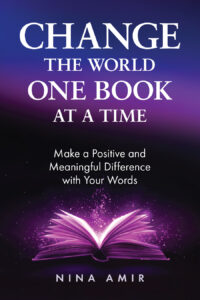
Click on the book cover to order a copy now!
If you do have expert status, authority, or even experience in the change you want to write about, be sure to feature that in your bio as well as in the book. Use personal stories; write about your experience. Also, share the successes of your clients or of groups that have implemented the change you recommend.
Readers are more likely to act on your recommendations if they know there is a sound basis for your point of view. Explain why you are the best person to write your book and give them reasons to believe in you and your advice.
5. Demonstrate your Passion and Purpose
You have a passion for your cause, movement, or mission. You feel a sense of calling or purpose for creating change. Let your readers feel your passion and purpose.
When you demonstrate passion and purpose, your readers get inspired. Spark their passion. Ignite their purpose. They will then feel inspired to take action.
6. Use Persuasive Language Patterns
Use NLP (neuro-linguistic programming) language patterns in your writing. There are many NLP persuasive language patterns; with a little knowledge, you can begin using them to move your readers toward change. The best copywriters use NLP language patterns in their work, which gets readers to take action and purchase products.
7. Create Contrast
Help your reader feel the pain of not changing. You can remind them, “You are here but want to be there,” or “If you remain the same, you’ll get this result; if you change, you’ll get this more desirable result.” Show them the choices, opportunities, and possibilities available. Raise their ambitions for a better future, but also help them see the deficits of the present.
8. Demonstrate Understanding
Tell stories that show you have been where they are and understand what it is like. Let readers know you understand that change is hard… but it is achievable. Ensure you also demonstrate that you found a way to get where they want to go. Then tell them how to do the same.
9. Offer a clear plan
If you are writing nonfiction, include specific steps or ways to accomplish change. This helps readers believe they can do it, thereby reducing resistance. If you are writing fiction or memoir, craft your story around the steps characters take that result in transformation.
10. Paint a picture
Use your words to create clear pictures of change and its positive impact. Use analogies, metaphors, allegories, and descriptive language to emphasize the benefits of doing something different. Ask readers to imagine or visualize life after transformation. Metaphor is often used by writers who understand NLP. Also, pictures generate emotions, which helps people want to change.
11. Make the Reader the Hero
Use the Hero’s Journey as the foundation of your story. This narrative story template involves a hero who goes on an adventure, meets a guide, learns a lesson, wins a victory, and returns home transformed. Demonstrate how readers can be heroes. Be their guide. Even a nonfiction writer can apply this template by instilling in readers the belief that they can make a difference.
12. Share Your Story and Message
When readers know who you are and why you want them to change, you increase the chances they will feel inspired and motivated to change. So, tell your story and share your message.
And share your mission. Be clear about why you wrote the book—why you want to inspire and motivate change. Share your purpose.
You can use your words to make a positive and meaningful difference in the world—if you know how to write in a way that inspires and motivates readers to take new action. Each reader who joins your mission, movement, or cause creates a ripple effect in the world.
Do you plan to write for change? Tell me in a comment below, and order your copy of Change the World One Book at a Time. Also, please share this post with a writer who would benefit from reading it.

Would you like to write and publish nonfiction books…and become a successful (and productive) author? Join the Nonfiction Writers’ University. Get the comprehensive education you need and author coaching to help you succeed as a nonfiction writer.
If you’ve wanted to get coached and be supported as you pursue authorship, this program is for you. Participate in monthly group Author Coaching sessions and gain access to 60+ interviews with publishing experts, including foundational courses. Learn more here.
Image courtesy of butv.